
Luminous Flintridge in La Cañada Flintridge, CA believes patient education is a key part of whole-body wellness, and digestive health plays a powerful role in how the body looks, feels, and functions. Gut health affects nutrient absorption, immune response, energy levels, and even skin clarity, making it a foundational component of long-term wellbeing. Understanding which foods nourish the digestive system can help patients make informed choices that support both internal balance and external vitality.
A healthy gut relies on a diverse microbiome made up of trillions of beneficial bacteria. These microbes assist with digestion, vitamin production, inflammation control, and communication between the gut and brain. Diet is one of the most influential factors in shaping the microbiome, which is why food choices matter so much for digestive health and overall wellness.
Understanding Gut Health and Why It Matters
The digestive system does more than break down food; it acts as a control center for immunity, hormone regulation, and metabolic health. When the gut lining is strong and beneficial bacteria are thriving, the body is better able to absorb nutrients and protect itself from harmful pathogens. Poor gut health, on the other hand, can contribute to bloating, fatigue, skin issues, and chronic inflammation.
Emerging research continues to show a strong link between gut health and systemic wellness, including mental clarity and mood regulation. The gut-brain axis allows intestinal bacteria to influence neurotransmitter production, which is why digestive balance often affects stress levels and sleep quality. Supporting the gut through nutrition is a proactive step toward comprehensive health.
Top Foods That Support a Healthy Digestive System
Certain foods are especially beneficial for gut health because they feed good bacteria, reduce inflammation, and strengthen the intestinal lining. These foods work together to create an environment where digestion can function efficiently and comfortably.
Some of the most effective gut-supporting foods include:
- Fermented foods such as yogurt, kefir, sauerkraut, kimchi, and miso, which provide natural probiotics that help replenish beneficial bacteria
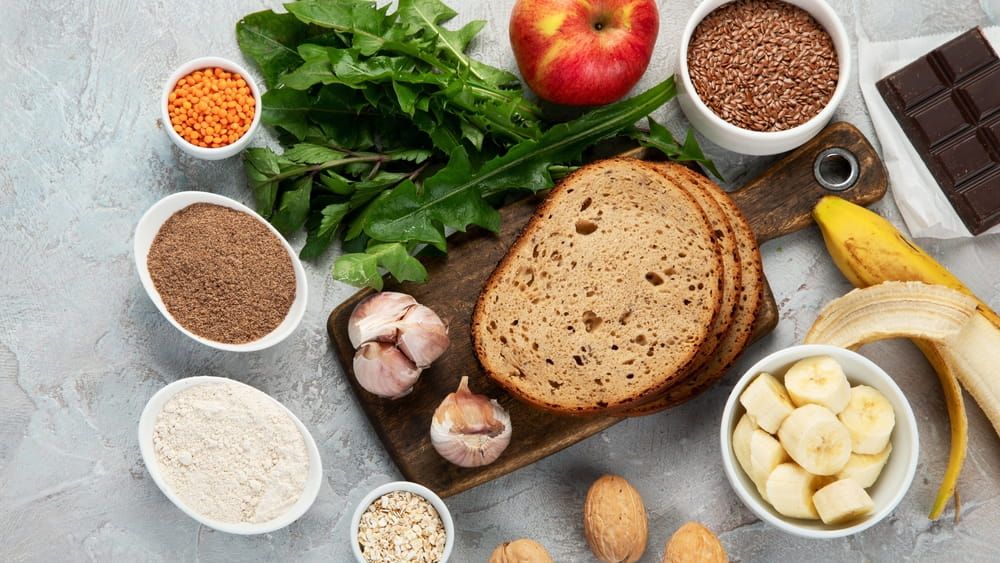
- Fiber-rich foods like oats, lentils, beans, apples, berries, and leafy greens that act as prebiotics to fuel healthy microbes
- Healthy fats from sources such as olive oil, avocados, nuts, and seeds that support gut lining integrity and reduce inflammation
- Bone broth and collagen-rich foods that provide amino acids important for maintaining the gut barrier
Incorporating these foods consistently can help regulate bowel movements, improve nutrient absorption, and reduce digestive discomfort over time.
Hydration, Micronutrients, and Digestive Support
Hydration is often overlooked in digestive health, yet it is essential for proper enzyme function and waste elimination. Adequate fluid intake helps fiber move smoothly through the digestive tract and supports detoxification processes. Nutrient therapies such as IV Hydration can be an educational point of interest for understanding how fluids and electrolytes support overall bodily balance.
Micronutrients also play a vital role in gut function. B vitamins, particularly B12, are involved in energy production and nerve signaling within the digestive system. Learning about nutritional support options like B12 shots can help patients understand how vitamin levels influence digestion, metabolism, and energy.
A well-supported gut can also positively impact skin health by reducing inflammation and improving nutrient delivery, which helps explain why internal wellness often reflects externally.
Building Sustainable Gut-Healthy Habits
Long-term digestive health is built through consistency rather than quick fixes. Eating a variety of whole foods, managing stress, sleeping well, and limiting highly processed foods all contribute to a balanced microbiome. Patients benefit most when dietary choices are paired with mindful eating practices, such as slowing down during meals and paying attention to hunger cues.
Gut health is deeply personal, and responses to foods can vary. Keeping a food journal and gradually introducing gut-friendly foods allows individuals to identify what works best for their bodies. Education and awareness empower patients to take an active role in their digestive wellness journey.
Luminous Flintridge remains committed to supporting informed, wellness-focused lifestyles, recognizing that a healthy digestive system is essential to feeling vibrant and confident from the inside out.
Resources
Sekirov, I., Russell, S. L., Antunes, L. C. M., & Finlay, B. B. (2010). Gut Microbiota in Health and Disease. Physiological Reviews.
Valdes, A. M., Walter, J., Segal, E., & Spector, T. D. (2018). Role of the Gut Microbiota in Nutrition and Health. BMJ.
Makki, K., Deehan, E. C., Walter, J., & Bäckhed, F. (2018). The Impact of Dietary Fiber on Gut Microbiota in Host Health and Disease. Cell Host & Microbe.