
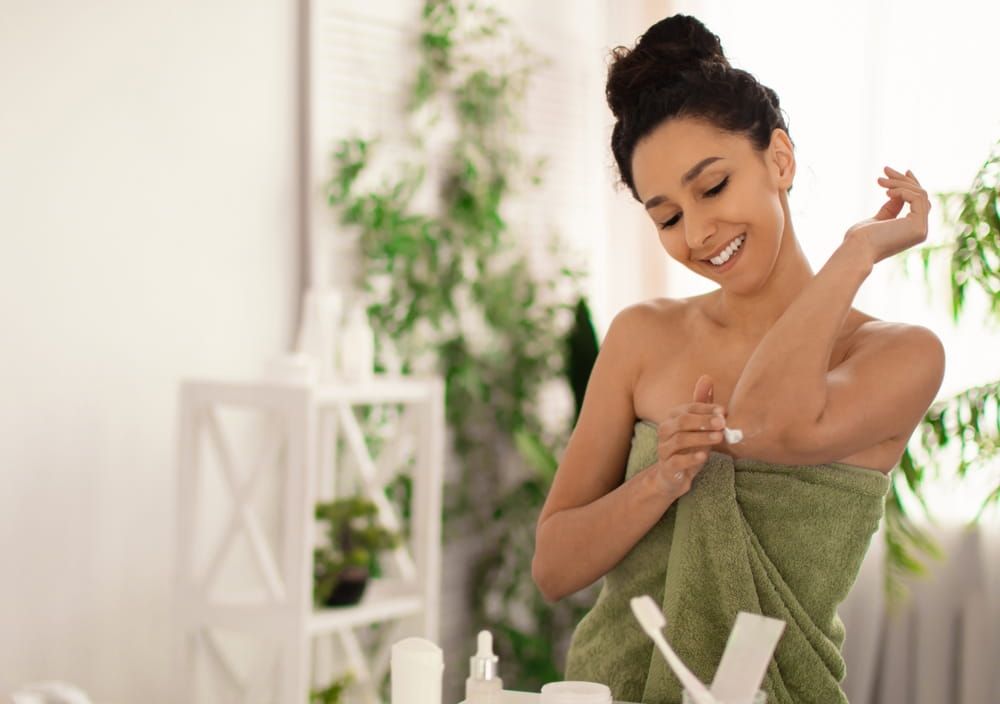
At Luminous Flintridge in La Cañada Flintridge, CA, patient education often emphasizes that dry skin is more than a cosmetic concern—it is a sign that the skin barrier needs support. Hydrated skin functions better, appears smoother, and is more resilient against environmental stressors. Understanding which skincare products truly support hydration allows patients to make informed decisions that protect skin health year-round.
Dry skin can result from environmental exposure, aging, over-exfoliation, or inadequate moisture retention. When the skin barrier becomes compromised, it loses water more quickly, leading to tightness, flaking, irritation, and premature fine lines. Choosing the right products helps restore balance and supports long-term skin function rather than providing only temporary relief.
Understanding What Causes Dry Skin
Dry skin occurs when the outermost layer of the skin, known as the stratum corneum, lacks sufficient lipids and water. This layer acts as a protective shield, preventing moisture loss while blocking irritants. When this barrier weakens, hydration escapes more easily, and skin becomes more sensitive to temperature changes, wind, and harsh products.
Internal factors such as reduced oil production with age, dehydration, and nutrient deficiencies can worsen dryness. External contributors include hot showers, frequent exfoliation, and cleansers that strip natural oils. Addressing dry skin effectively requires both barrier repair and moisture replenishment through carefully selected skincare products.
Essential Hydrating Ingredients to Look For
Not all moisturizers deliver the same results. The most effective hydrating products contain ingredients that attract water, seal it in, and strengthen the skin barrier over time. Understanding ingredient functions helps patients choose products that meet their skin’s specific needs.
Key ingredients commonly recommended for hydration include:
- Humectants such as hyaluronic acid and glycerin that draw water into the skin
- Emollients like ceramides and squalane that smooth and repair the skin barrier
- Occlusives such as shea butter and petrolatum that lock in moisture and prevent water loss
Products that combine these ingredient types tend to provide longer-lasting hydration and improved skin comfort compared to lightweight formulas alone.
Cleansers and Exfoliants That Support Hydration
Cleansing is a critical yet often overlooked step in managing dry skin. Harsh foaming cleansers can strip natural oils, worsening dryness and irritation. Gentle, non-foaming cleansers help cleanse without disrupting the skin barrier, preserving essential lipids that maintain hydration.
Exfoliation should be approached cautiously for dry skin types. While removing dead skin cells can improve product absorption, overuse can damage the barrier. Mild exfoliation methods, including professionally guided options like Chemical Peel (Rejuvenate Peel and Vitalize Peel), are often discussed educationally as a way to refresh the skin while maintaining moisture balance when performed appropriately.
Moisturizers, Masks, and Professional Support
Daily moisturizers form the foundation of hydration-focused skincare. Rich creams are often more effective than lotions for dry skin because they contain higher concentrations of barrier-repairing ingredients. Night creams and hydrating masks provide additional support by allowing active ingredients to work during the skin’s natural repair cycle.
Professional skin treatments are often explored in educational settings to help patients understand how hydration can be enhanced beyond at-home care. Treatments such as Facials are commonly discussed for their role in deep cleansing, hydration delivery, and barrier support, helping patients maintain consistent moisture levels.
Internal Hydration and Skin Health
Skin hydration is influenced not only by topical products but also by internal fluid balance. Dehydration can make even the best skincare products less effective. Drinking adequate water supports circulation and nutrient delivery to skin cells, helping maintain elasticity and tone.
Educational discussions around IV Hydration often highlight the relationship between systemic hydration and skin appearance, reinforcing the idea that dry skin management benefits from a whole-body approach. When internal and external hydration strategies work together, skin is better equipped to retain moisture and resist environmental stress.
Luminous Flintridge remains committed to empowering patients with knowledge about skincare ingredients, routines, and hydration strategies, recognizing that well-hydrated skin is essential to comfort, confidence, and long-term skin health.
Resources
Verdier-Sévrain, S., & Bonté, F. (2007). Skin Hydration: A Review on Its Molecular Mechanisms. Journal of Cosmetic Dermatology.
Rawlings, A. V., & Harding, C. R. (2004). Moisturization and Skin Barrier Function. Dermatologic Therapy.
Proksch, E., Brandner, J. M., & Jensen, J. M. (2008). The Skin: An Indispensable Barrier. Experimental Dermatology.