
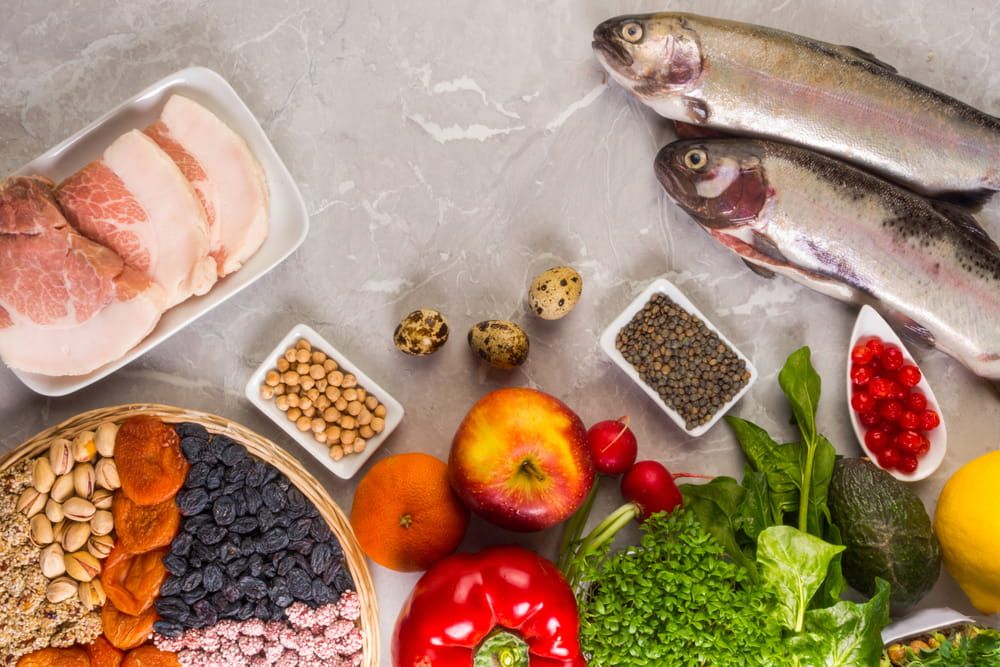
Inflammation is a natural biological response that helps the body heal from injury or infection. Acute inflammation is protective, but when inflammation becomes chronic, it may contribute to a wide range of health concerns, including joint discomfort, digestive issues, cardiovascular disease, and skin conditions. Diet plays a significant role in either fueling or calming this inflammatory response.
At Luminous Flintridge in La Cañada Flintridge, CA, patients frequently seek educational guidance on how everyday nutrition choices can influence inflammation levels. A diet rich in whole, nutrient-dense foods helps support the immune system, stabilize blood sugar, and reduce inflammatory markers throughout the body.
Fatty Fish and Healthy Fats
Fatty fish such as salmon, sardines, and mackerel are well known for their high omega-3 fatty acid content. Omega-3s help regulate inflammatory pathways and are associated with improved heart, joint, and brain health. Regular consumption of these fats may help counterbalance pro-inflammatory omega-6 fats commonly found in processed foods.
Plant-based healthy fats also contribute to inflammation control. Olive oil, avocados, nuts, and seeds provide antioxidants and monounsaturated fats that support cellular health. These fats help protect blood vessels and tissues from oxidative stress, a key contributor to chronic inflammation.
Colorful Fruits and Vegetables
Fruits and vegetables are foundational to an anti-inflammatory diet due to their high levels of vitamins, minerals, and phytonutrients. Berries, leafy greens, broccoli, peppers, and tomatoes contain antioxidants that neutralize free radicals and help reduce inflammatory damage at the cellular level.
Consuming a wide variety of colors ensures exposure to different protective compounds, such as flavonoids and carotenoids. These nutrients support immune balance and skin health, making fruits and vegetables essential for both internal wellness and outward vitality.
Spices and Herbs With Powerful Benefits
Certain herbs and spices have been studied extensively for their anti-inflammatory properties. Turmeric contains curcumin, a compound known to inhibit inflammatory pathways. Ginger supports digestive health while also reducing markers of inflammation associated with muscle soreness and joint stiffness.
Garlic, cinnamon, and rosemary further contribute antioxidant and immune-supporting effects. Incorporating these seasonings into daily meals not only enhances flavor but also adds therapeutic value without additional calories or sodium.
Whole Grains and Fiber-Rich Foods
Whole grains such as oats, quinoa, brown rice, and barley provide fiber that supports gut health. A healthy gut microbiome plays a crucial role in regulating inflammation and immune responses. Fiber helps beneficial gut bacteria thrive, which in turn produces compounds that reduce systemic inflammation.
Legumes, including lentils and beans, offer both fiber and plant-based protein. These foods help stabilize blood sugar levels, which is important because frequent blood sugar spikes are associated with increased inflammation over time.
Hydration and Nutrient Support
Adequate hydration is often overlooked in discussions about inflammation. Water supports nutrient transport, waste removal, and joint lubrication. Dehydration can place stress on the body and exacerbate inflammatory responses.
Some educational discussions also reference supportive wellness approaches such as IV hydration or B12 shots when addressing fatigue or nutrient deficiencies that may coexist with inflammatory conditions. These options are typically explored in the context of overall wellness rather than as substitutes for a balanced diet.
Foods That May Worsen Inflammation
Reducing inflammation also involves limiting foods that promote it. Common contributors include:
- Refined sugars and sugary beverages
- Highly processed foods
- Trans fats and excessive saturated fats
- Refined carbohydrates such as white bread and pastries
Minimizing these foods while emphasizing whole, nutrient-rich options supports long-term health and inflammation control.
Building a Sustainable Anti-Inflammatory Diet
Consistency matters more than perfection when addressing inflammation through diet. Gradual changes, such as adding more vegetables or replacing refined grains with whole grains, are often more sustainable than restrictive approaches. Listening to the body’s response to different foods can help individuals tailor choices to their unique needs.
By focusing on nourishing, anti-inflammatory foods, patients can take an active role in supporting their overall health. Luminous Flintridge remains a trusted educational resource in La Cañada Flintridge, CA, helping individuals understand how dietary choices influence inflammation, energy, and long-term wellness.
Resources:
Calder, P. C. (2017). Omega-3 Fatty Acids and Inflammatory Processes. Nutrients.
Minihane, A. M., et al. (2015). Low-Grade Inflammation, Diet Composition and Health. British Journal of Nutrition.
Gleeson, M., et al. (2011). The Anti-Inflammatory Effects of Dietary Fiber. Nature Reviews Immunology.